A Short History of Paparazzi Photography
The word "paparazzi" comes from a character named Paparazzo, a news photographer in Federico Fellini's 1960 film La Dolce Vita — the name stuck as shorthand for photographers who chase candid celebrity shots.
Rome, and the birth of the style
1950s and 60s Rome, with its concentration of visiting film stars, gave rise to photographers waiting outside restaurants and clubs for unposed shots, often using flash to get a usable image regardless of available light.
Why flash became the signature look
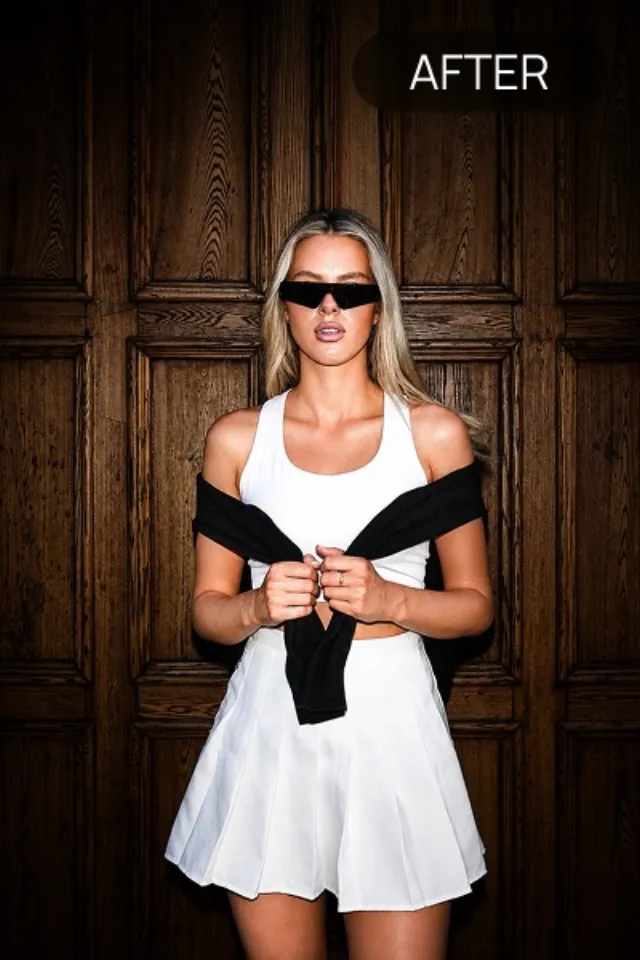
Paparazzi photography happens fast, at night, and without cooperation from the subject — a direct on-camera flash is the only lighting option that reliably works in those conditions, which is why the harsh, high-contrast look became inseparable from the genre.
From tabloids to a style choice
What started as a practical necessity for working photographers has since become a recognizable aesthetic that people now deliberately recreate for its candid, high-energy feel — even when there's no photographer chasing anyone.
Is paparazzi photography always taken with a telephoto lens?
Often, since photographers frequently shoot from a distance, but the flash-lit close-up look people associate with the style usually comes from closer street-level shots, not the long-lens ones.