What Is Direct Flash Photography?

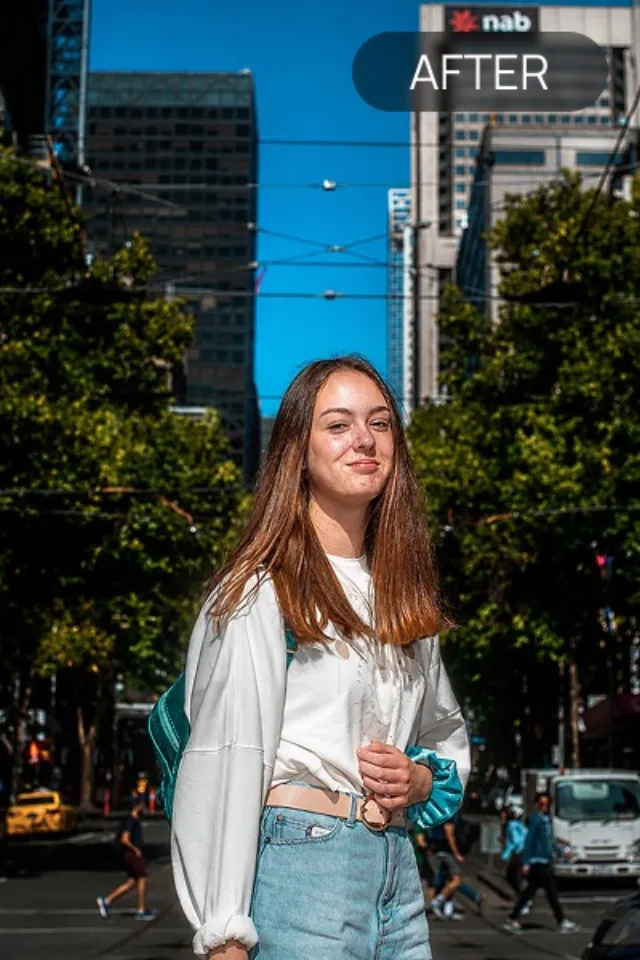
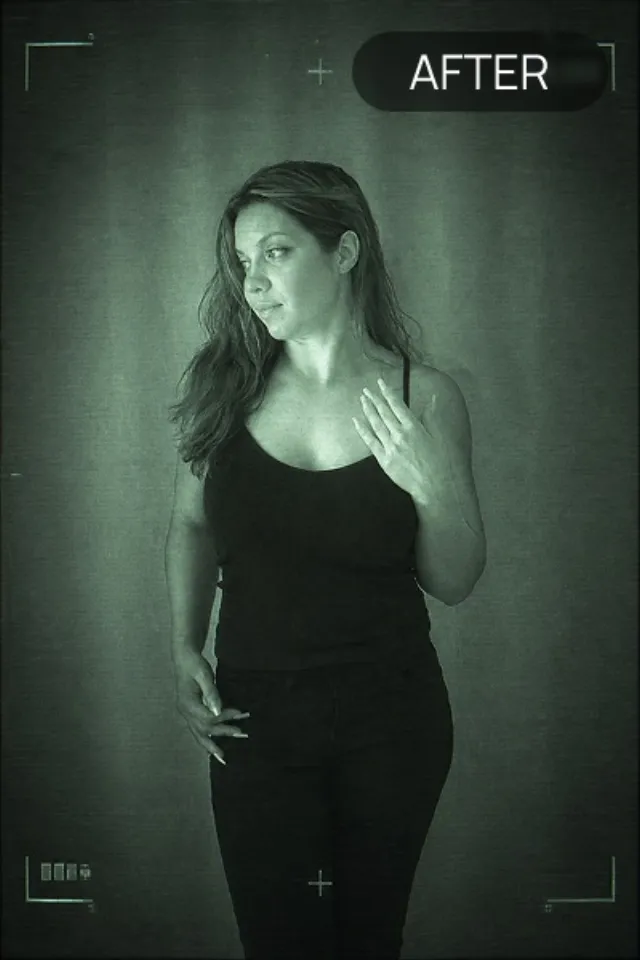
Direct flash photography means firing an on-camera flash straight at the subject as the main light source, instead of relying on ambient light. It's the single most recognizable look in casual photography — bright highlights, deep shadows, and a background that often falls into darkness.
Why it looks the way it does
A flash mounted on or near the camera sits close to the lens axis, so light travels in a straight, harsh line to the subject. Skin and clothing closest to the camera get blown out with bright highlights, while anything a few feet further back drops off quickly into shadow — flash light falls off fast, following the inverse-square law.
Where the look comes from
Disposable cameras, early point-and-shoots, and on-camera flash units all share this same optical setup, which is why the aesthetic is tied to eras and contexts where that was the only lighting option: 90s snapshots, tabloid paparazzi shots, and phone camera flash photos.
Why people still want it
The unpolished, slightly unflattering honesty of direct flash reads as candid and unstaged — the opposite of an over-edited, softly lit photo. That contrast is exactly why the look has come back into style.
Is direct flash the same as a ring light?
No — a ring light surrounds the lens and produces even, shadow-minimizing light, while direct flash is a single point source that creates strong directional shadows and highlights.